
By Heather Dainty, Deputy Ward Manager at Wigan & Leigh Hospice.
Thinking about what will happen to us at the end of our lives can be uncomfortable. However, creating an Advance Care Plan can be a really reassuring and empowering process.
Having a plan in place allows people to describe what matters most to them and offers them control and peace of mind about their future care. This could be about their preferences for medical treatment and hospital care, it could involve nominating someone to make decisions on their behalf if needed, or it might be about sharing spiritual, cultural or other end-of-life wishes. It is an evolving document that can be updated as circumstances or preferences change.
The reassurance of planning
In my role overseeing the day-to-day running of our Inpatient Unit at Wigan & Leigh Hospice, every day I see the value of having a plan in place.
By taking the time to share your wishes, you can help those around you understand your choices, providing reassurance both for yourself and for your loved ones. This is especially important in case someone becomes unable to communicate their decisions later
Making an Advance Care Plan can also open up conversations that might not otherwise take place, which can help bring the patient and their loved ones closer together.
When no clear plan exists, there can be uncertainty about what the patient would have wanted. This can lead to confusion for healthcare professionals and significant distress for families, who may feel unsure about important decisions. For example, after a patient’s death, their loved ones may be unsure about whether they would prefer burial or cremation. I have seen this cause additional upset at an already difficult time, especially when there are differing opinions within the family.
Having a plan in place helps provide clarity, reassurance and guidance for everyone.
When is the time right?
The best time to start thinking about Advance Care Planning is when a person is still well enough to make clear decisions and communicate their wishes.
This might mean early in the diagnosis of a serious or life-limiting illness or when there are changes in health or condition, but it can be done whenever a person feels ready: it doesn’t have to wait until someone is very unwell.
Creating a plan is a personal and individual process, with no right or wrong answers, and it should always be guided by what feels right.
Supporting difficult conversations
While creating a plan is not necessarily difficult or complicated, it can be emotionally challenging, as it involves thinking about future care and end-of-life wishes.
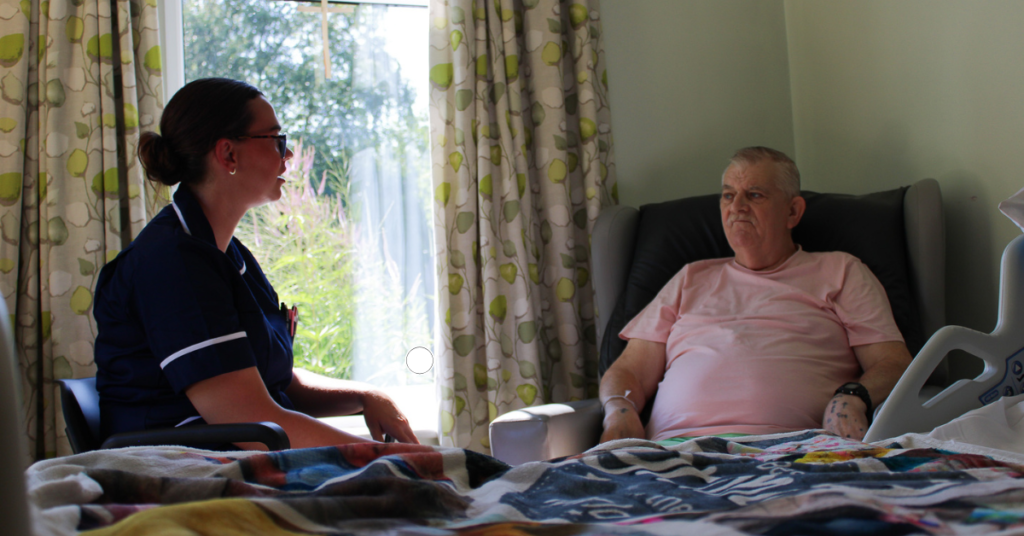
As healthcare professionals, we understand that at first, someone may not be ready to talk about their wishes, and it’s important that we respect that. The approach we take is patient-centred, respectful, and paced according to each person, so that they feel in control at all times.
Ultimately, Advance Care Planning is about ensuring an individual’s voice and wishes are heard and their preferences are respected. While these conversations can feel daunting at first, most people find they become positive and reassuring when approached with empathy and support. Having a plan in place can provide comfort and clarity for both the patient and the people closest to them.
Note: This article was originally published on the Wigan Today website, on Friday 24 July 2026.